


Blog
Things to Consider in Façade Design for Commercial Buildings

Determines the First Impression of Commercial Buildings Facade
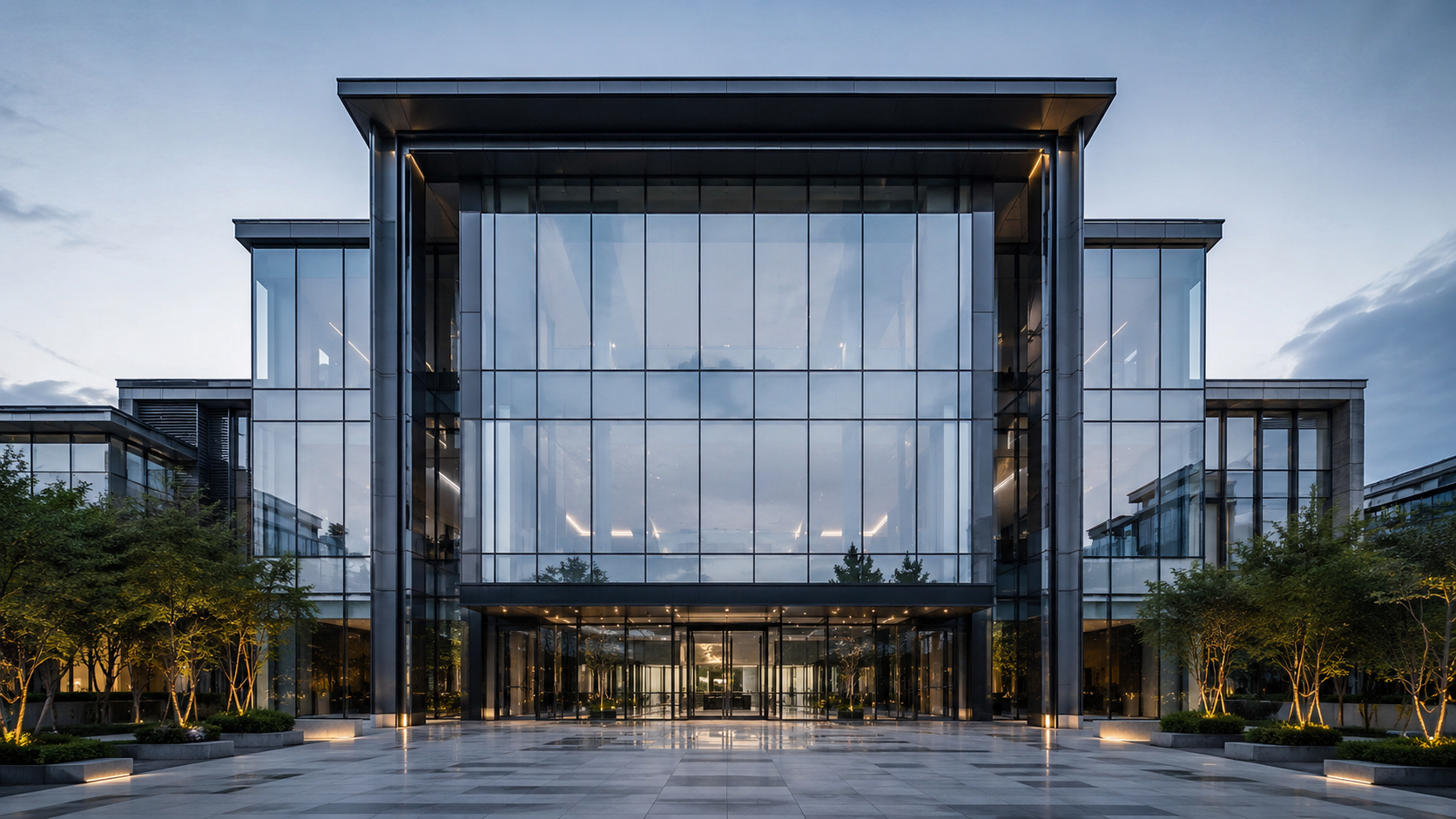
Commercial buildings are not only functional spaces but also serve as the face of brands, institutions, and investors to the outside world. The facade design of an office building, plaza, hotel, store, showroom, or shopping center directly reflects the identity of the structure.
The exterior facade creates the first impression that visitors and users have about the building. Therefore, in commercial buildings, facade design must simultaneously meet numerous criteria such as aesthetics, technical performance, security, energy efficiency, and ease of maintenance.
Architectural Identity and Brand Perception
Facade design in commercial buildings is an important architectural tool that strengthens brand perception. A modern, orderly, and high-quality facade appearance contributes to the structure being perceived as more prestigious and reliable.
Especially for corporate offices, hotels, stores, and showrooms, facade design should support the professional image of the brand. The materials used, color choices, glass surfaces, aluminum profile details, and lighting must collectively reflect the identity of the structure.
A well-planned facade not only beautifies the building; it also adds commercial value to the structure.
Correct Material Selection
Selecting materials for facade design is critically important from both aesthetic and performance perspectives. The materials preferred in commercial buildings should be long-lasting, durable, easy to maintain, and compatible with the architectural concept.
Aluminum facade systems offer strong advantages at this point. Their lightweight, durable, modern structure that can accommodate different design needs makes them a popular choice in commercial projects.
Glass, composite panels, aluminum profiles, sunbreakers, and special facade elements can be used together to develop unique solutions for the structure.
Energy Efficiency Cannot Be Overlooked
Energy consumption in commercial buildings is generally high. Since heating, cooling, lighting, and ventilation systems are constantly used, the energy performance of the facade system is of great importance.
A poorly designed facade can lead to excessive heat gain in summer and heat loss in winter. This situation increases energy costs and negatively affects indoor comfort.
By selecting the right glass, using thermally insulated aluminum profiles, and incorporating sun control solutions and airtight details, a more efficient energy balance can be achieved in commercial buildings.
Natural Light Use Should Be Balanced
Large glass facades provide a modern and spacious appearance to commercial buildings. However, the use of glass should be balanced appropriately.
Maximizing the benefits of natural daylight can enhance indoor air quality and reduce lighting needs. However, uncontrolled sunlight can lead to overheating and compromise user comfort in indoor spaces.
Therefore, the orientation, duration of sunlight, type of glass, and shading elements should be evaluated together in facade design.
Safety and Durability Should be a Priority
Facade systems in commercial structures must meet stringent technical criteria due to intensive use, environmental effects, and expectations for long-term performance.
Factors such as wind loads, rain effects, temperature differences, impact resistance, and fire safety should be considered during the design phase.
Especially in high-rise buildings, the static calculations, connection details, and application quality of the facade system are of great importance. Accurate engineering and professional installation are necessary for a safe facade system as much as quality materials.
Ease of Maintenance Provides Long-Term Advantages
The facade systems in commercial structures should allow for easy regular maintenance. Especially for large-surfaced glass facades, cleaning, maintenance, and access solutions should be considered in the design phase.
Difficult to maintain, easily worn, or requiring frequent intervention facade solutions can increase operational costs in the long run.
Aluminum facade systems are among solutions that provide maintenance advantages in commercial buildings with their durable surface structure and easy-to-clean features.
Application Quality is Determinative in Facade Design
Successful outcomes in facade systems are not achieved solely through good design. The quality of application is as important as design for the long-term smooth operation of the system.
Profile joints, glass installation details, seal applications, water drainage systems, connection elements, and installation precision directly affect facade performance.
Therefore, it is crucial to work with experienced teams and accurate application processes when designing facades in commercial buildings.
A Balance of Aesthetics and Functionality Must Be Established
Focusing solely on visual impact in facade design for commercial buildings is not sufficient. The facade system must also be appropriate for the building’s intended use, climatic conditions, security requirements, and operational expectations.
A successful facade design establishes a strong balance between aesthetic appearance, technical performance, energy efficiency, and long-term usability.
When this balance is properly established, the structure becomes attractive from an architectural perspective and efficient from a functional standpoint.
Conclusion
In commercial buildings, façade design directly influences the prestige of the structure, its energy performance, user comfort, and long-term value. Proper material selection, quality application, energy efficiency, safety, and ease of maintenance are fundamental elements of a successful façade design.
ASVEX aims to enhance the architectural value of projects by offering aesthetic, durable, and high-performance systems with aluminum façade solutions specifically designed for commercial buildings.