
Blog
Facade Solutions for Energy Efficiency

Energy Efficiency Begins at the Facade
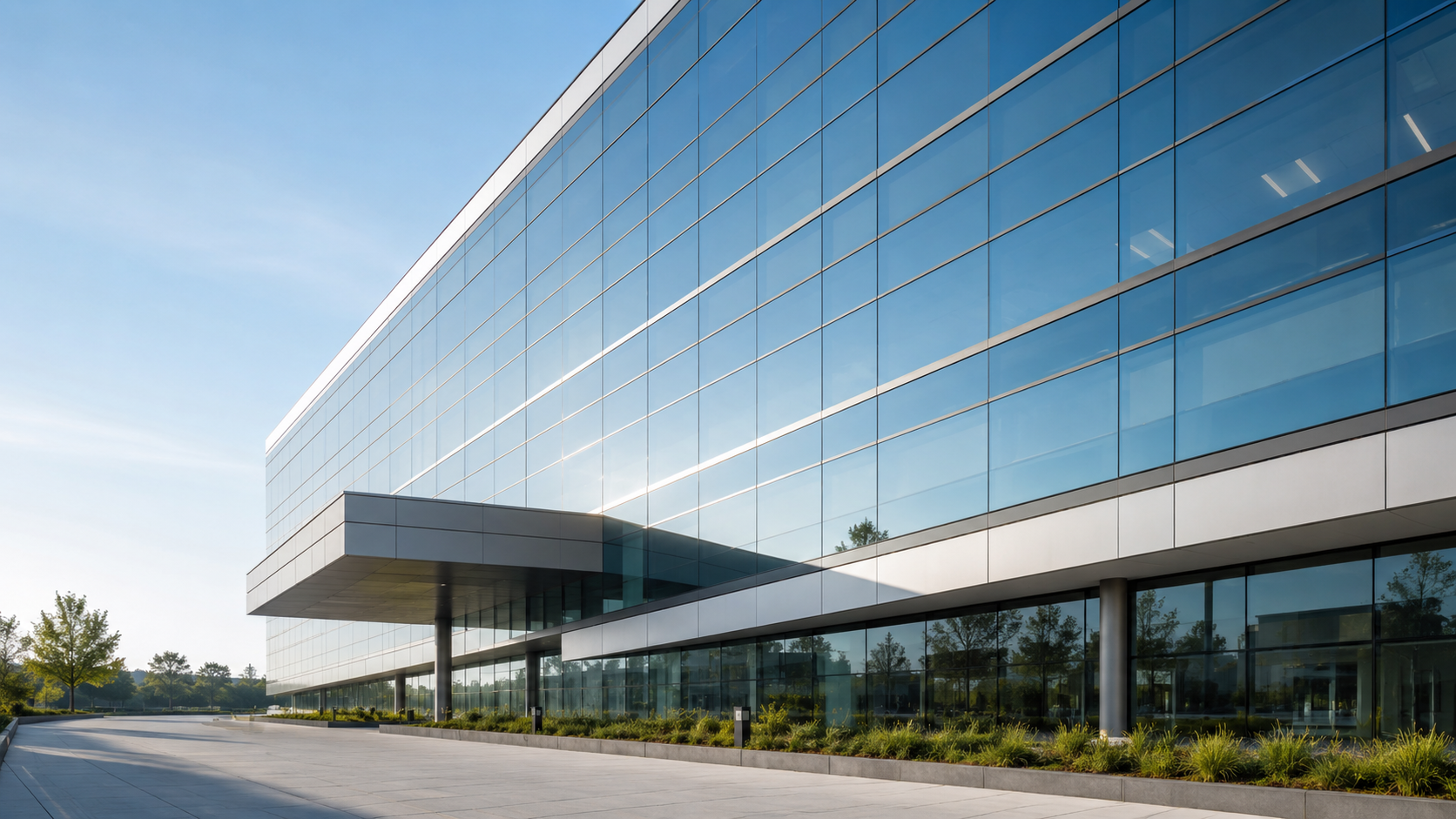
When energy efficiency in buildings is mentioned, heating, cooling, and mechanical systems are usually highlighted. However, one of the most crucial elements determining a building’s energy performance is its facade.
The facade system is the shell of the building that directly interacts with the sun, wind, rain, temperature differences, and external environmental conditions. Therefore, a poorly designed facade can lead to energy losses and a reduction in indoor comfort.
Proper facade specifications help reduce the building’s energy consumption, increase user comfort, and lower operating costs in the long term.
The Role of Facade Systems in Energy Performance
The exterior facade of a building acts as a protective barrier between the interior and the outside environment. The quality of this barrier directly affects the building’s energy needs during the summer and winter months.
Facade systems that reduce heat loss in winter and control excessive solar heat in summer provide significant advantages in terms of energy efficiency.
In this regard, aluminum facade systems can offer high-performance specifications through proper glass selection, insulated profile details, and professional application.
The Importance of Thermally Insulated Aluminum Systems
Aluminum is a durable and long-lasting material, yet it has high thermal conductivity. Therefore, it is essential to prefer thermally insulated aluminum systems in projects aiming for energy efficiency.
Profiles with thermal barriers reduce heat transfer between the indoor and outdoor environments. Thus, the heating and cooling needs of the building become more balanced.
Thermally insulated facade systems, particularly in offices, hotels, residences, hospitals, and commercial buildings, contribute to maintaining user comfort while controlling energy costs.
Glass Selection Affects Energy Efficiency
The selection of glass in facade systems is one of the most decisive elements for energy performance. Using inappropriate glass in buildings with large glass surfaces can lead to excessive heat gain in the summer months and heat loss in the winter months.
Therefore, the type of glass suitable for the project must be determined. Energy control glasses, solar control glasses, double glazing, or triple glazing systems are among the alternatives that enhance energy performance.
By selecting the right glass, a more stable indoor temperature can be maintained and the load on mechanical systems can be reduced.
Solar Control and Shading
Energy efficiency is not only limited to preventing heat loss. The controlled admission of sunlight into the indoor environment is also of great importance.
Especially on the south and west facades, sunlight can significantly increase indoor heat during the summer months. This situation raises energy consumption by increasing the use of air conditioning.
Solar control systems, facade panels, direct glass combinations, and architectural shading solutions can manage the effects of sunlight. This way, natural light can be utilized while reducing excessive heat gain.
Air and Water Tightness
In an energy-efficient facade system, not only the choice of materials but also the quality of application is decisive. Air leaks that may occur in the facade can lead to heat loss and disruption of indoor comfort.
Similarly, facades that do not ensure water tightness can create serious problems affecting the lifespan of the structure. For this reason, detailing connections, seals, installation points, and quality of application is very important.
A professionally applied facade system provides strong protection against external factors and contributes to the sustainability of energy performance.
Proper Facade Design Reduces Operating Costs
Facade systems that ensure energy efficiency have a significant impact on operating costs in the long run. Less operation of heating and cooling systems helps reduce energy consumption.
This situation can provide significant cost advantages, especially in large-scale commercial buildings, hotels, offices, and shopping centers.
Focusing on the right façade system during the initial investment phase contributes to achieving a more sustainable structure in terms of maintenance, energy, and operational costs in the years to come.
Increases User Comfort
Energy-efficient façade systems not only offer cost advantages but also enhance user comfort.
More balanced indoor temperatures, improved sound insulation, controlled use of natural light, and strong protection against outdoor conditions enhance the quality of living and working spaces.
Therefore, façade systems are an important component that directly affects not only the external appearance of the building but also the indoor experience.
A Strong Step Towards Sustainable Buildings
Energy efficiency is one of the core elements of sustainable architecture. Structures that consume less energy, reduce environmental impacts, and provide long-lasting solutions are increasingly gaining importance today.
Aluminum façade systems contribute to sustainable building goals with their recyclable material composition and high-performance façade solutions.
With proper design, quality materials, and professional application, façade systems can transform into environmentally friendly and economically advantageous structures.
Conclusion
Choosing the right facade system for energy efficiency is critically important for the long-term performance of buildings. When thermal insulation aluminum profiles, appropriate glass selection, solar control, waterproofing details, and quality application come together, both aesthetic and high-performance facade solutions can be achieved.
ASVEX offers energy efficiency, aesthetic appearance, and long-lasting usability goals with aluminum facade solutions tailored to the needs of modern buildings.