
Blog
Advantages of Aluminum Facade Systems in Modern Architectural Projects

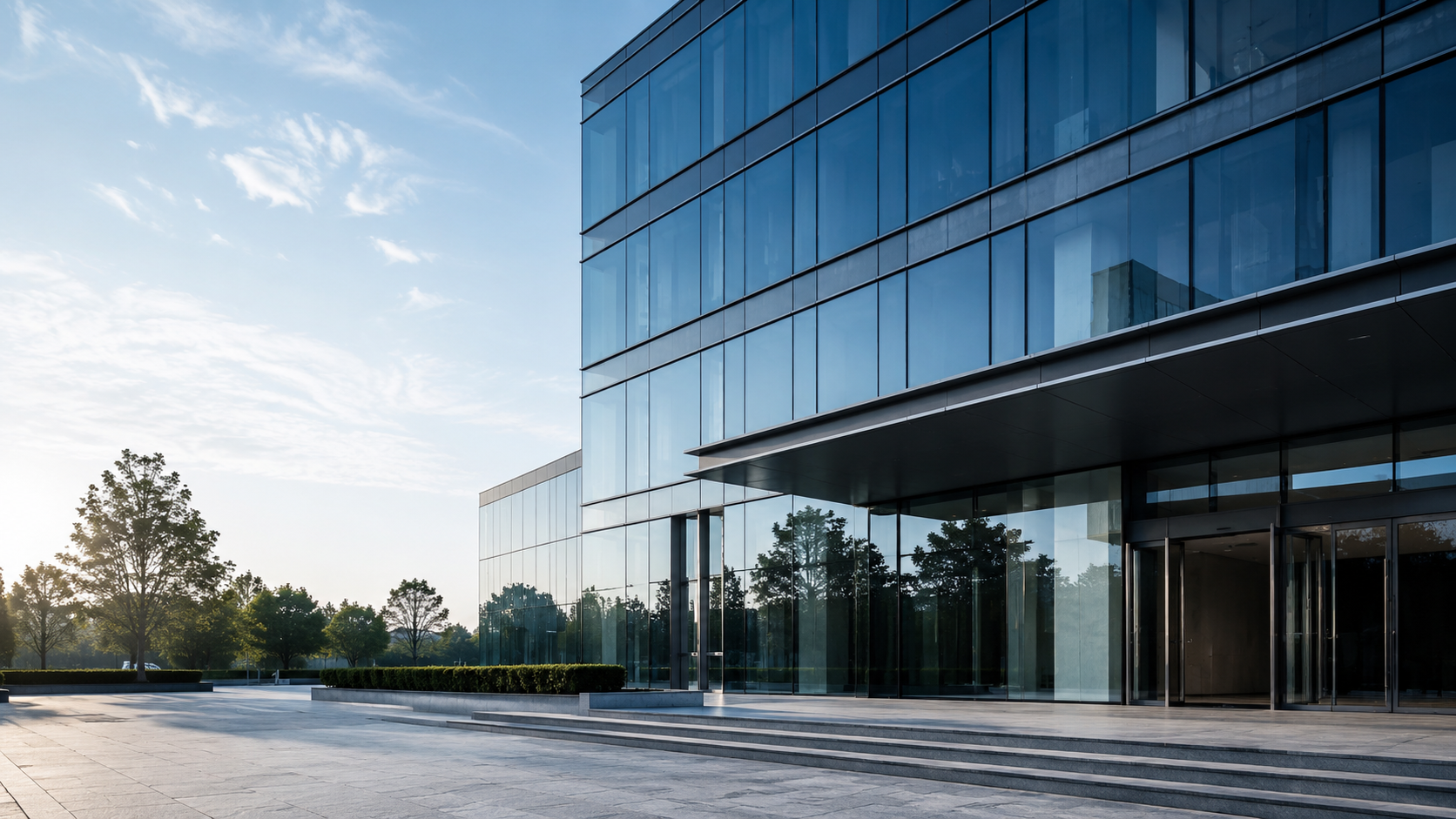
Strong Exterior Shells of Modern Buildings
In today’s architecture, buildings are not only seen as structures that provide usable space, but also as strong design elements that add value to their surroundings. Therefore, exterior façade systems are one of the most important elements that directly affect both the aesthetic identity and technical performance of a building.
Aluminum façade systems are particularly preferred in offices, hotels, plazas, residential buildings, shopping centers, and commercial structures due to their lightweight construction, high durability, modern appearance, and ability to adapt easily to various architectural features.
What are Aluminum Façade Systems?
Aluminum façade systems are modern façade solutions created by combining glass, panels, profiles, and connecting elements used on the exterior surfaces of buildings. These systems not only enhance the visual appearance of the building but also provide protection against external factors such as heat, sound, wind, rain, and sunlight.
The lightweight yet durable structure of aluminum offers architects broad design freedom. With large glass surfaces, fine profile details, various color options, and custom application solutions, façade designs can be developed that suit the character of the building.
Provides Aesthetic and Modern Appearance
In modern architecture, the exterior façade is the strongest area that determines the first impression of a building. Aluminum façade systems give buildings a contemporary look with their simple and strong lines.
Especially when used with glass facades, it creates a more spacious, prestigious, and corporate architectural effect. The architectural language of the building is revealed more powerfully through the previous profile structures, wide openings, and clean surface transitions.
Therefore, aluminum façade systems are not only a technical structural element but also an important design component that reflects the prestige of the brand or project.
Provides Advantages with Its Lightweight Structure
Aluminum has a lighter structure compared to many materials like steel. This feature provides ease of application in façade systems and reduces the risk of adding extra load to the building’s load-bearing system.
Thanks to its lightweight structure, it offers advantages especially in high-rise buildings, in wide façade surfaces, and in large open projects. While aiding the installation process to proceed more controllably, it also simplifies the implementation of various architectural details.
Durable and Long-Lasting
Façade systems are continuously exposed to outdoor conditions. Sunlight, rain, wind, humidity, temperature differences, and environmental effects can cause wear over time on façade materials.
Aluminum façade systems provide long-lasting use with their corrosion-resistant structure. With proper surface treatments and quality application details, they can maintain their shape and appearance for years.
This makes aluminum facades a strong choice, especially for projects seeking long-term investment value.
Compatible with Different Architectural Designs
The architectural language, usage purpose, and technical needs of each structure are different. Aluminum facade systems offer flexible solutions that can easily adapt to these varying requirements.
Flat glass facades, covered facade systems, silicone facade systems, composite panel applications, solar shading systems, and special detail solutions can be developed for various project types.
This flexibility allows architects to enhance their design freedom while enabling investors to achieve more robust structures from both aesthetic and performance perspectives.
Contributes to Energy Performance
A properly designed facade system directly impacts the energy performance of the building. When used with aluminum profiles, suitable glass options, and insulation details, it helps to reduce heat losses.
Especially insulated aluminum systems contribute to maintaining indoor comfort. During the summer, they help to limit excessive heat gain, while in the winter, they reduce heat loss, thus supporting a more balanced energy consumption.
This situation is an important advantage in terms of both user comfort and operating costs.
Offers Ease of Maintenance
Aluminum facade systems are also advantageous in terms of maintenance. The surface structure is easy to clean and, with regular maintenance, can maintain its aesthetic appearance for a long time.
Offers a more practical use compared to materials that require periodic painting or intensive maintenance like wood. This helps especially in keeping maintenance costs under control in large-scale commercial buildings.
Suitable for Sustainable Architecture
Today, sustainability has become one of the most important design criteria in the construction industry. Aluminum, being a recyclable material, contributes to environmentally friendly construction practices.
Its long-lasting use, recyclable structure, and the ability to be applied with energy-efficient systems make aluminum facades an important option for sustainable architectural projects.
Conclusion
Aluminum facade systems offer many advantages such as aesthetic appearance, durability, lightweight, energy performance, ease of maintenance, and design flexibility all in one. Choosing the right facade system is of great importance to achieve a strong exterior appearance in modern architectural projects and to enhance the building’s technical performance.
ASVEX aims to add value to structures by providing aesthetic, reliable, and long-lasting solutions in aluminum facade systems for architectural projects of different scales.